Sapphire Coatings: Meet Your ITAR/MIL Specifications
Durable Sapphire Coatings for the Toughest Environments
Penn Optical coats sapphire optics and windows that perform without compromise.
Highly resistant to dirt, saltwater, extreme temperatures, and high pressures
Ideal for multi-spectral applications
Reduces risk. Coating can be chemically removed without damaging the substrate
No special cleaning required
Request a Sapphire Coating
Sapphire Coatings Applications
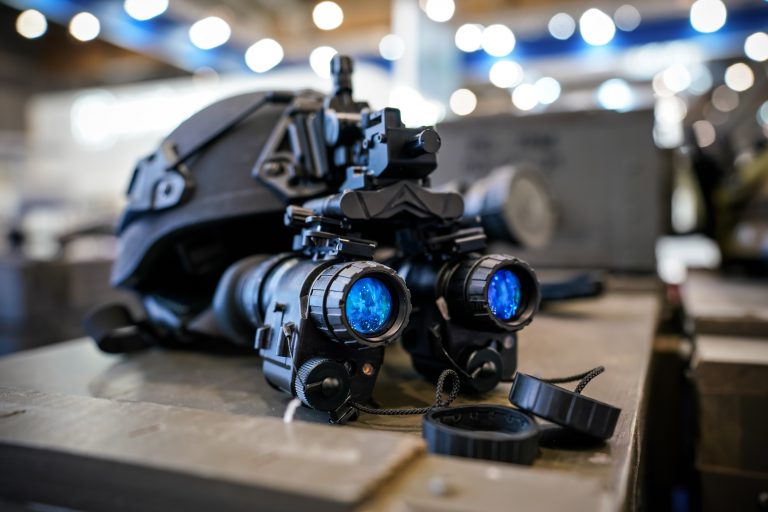
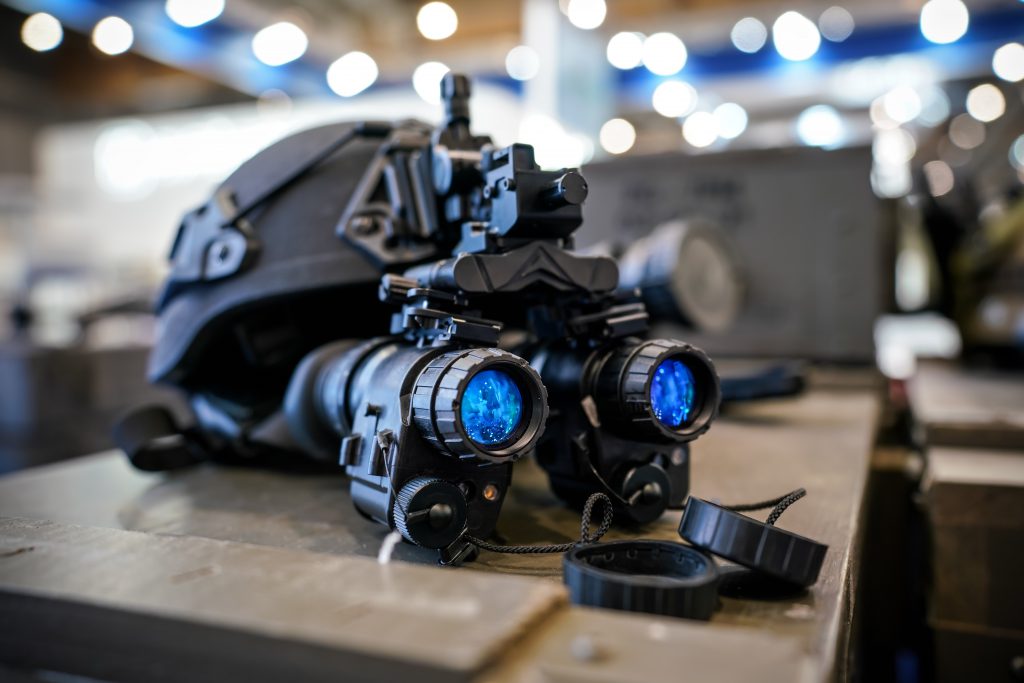
Military
Aerospace
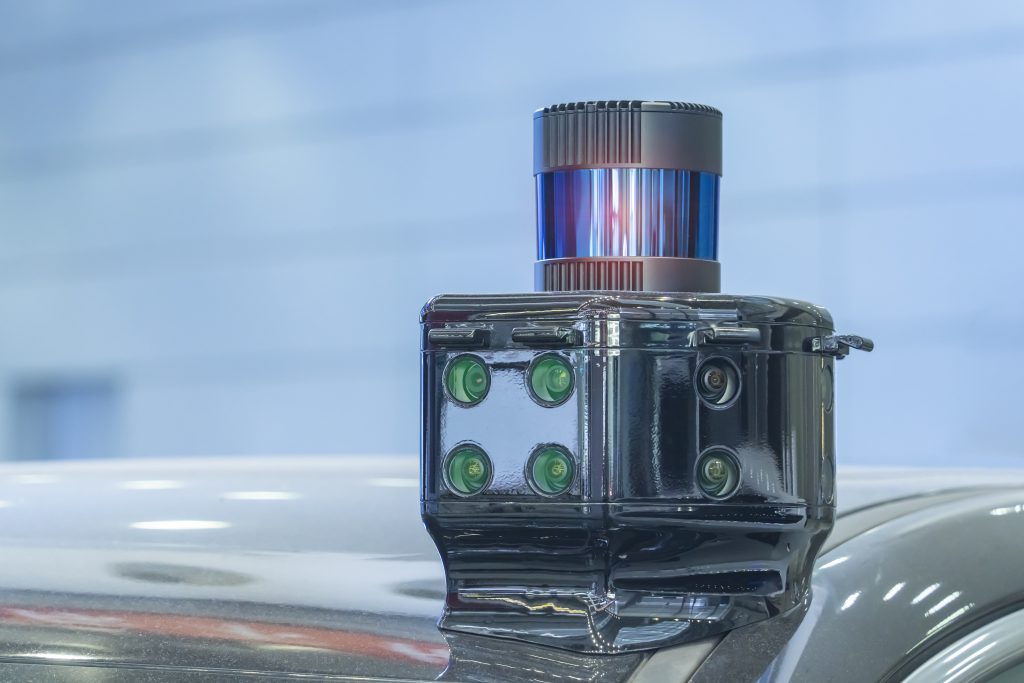
Automotive
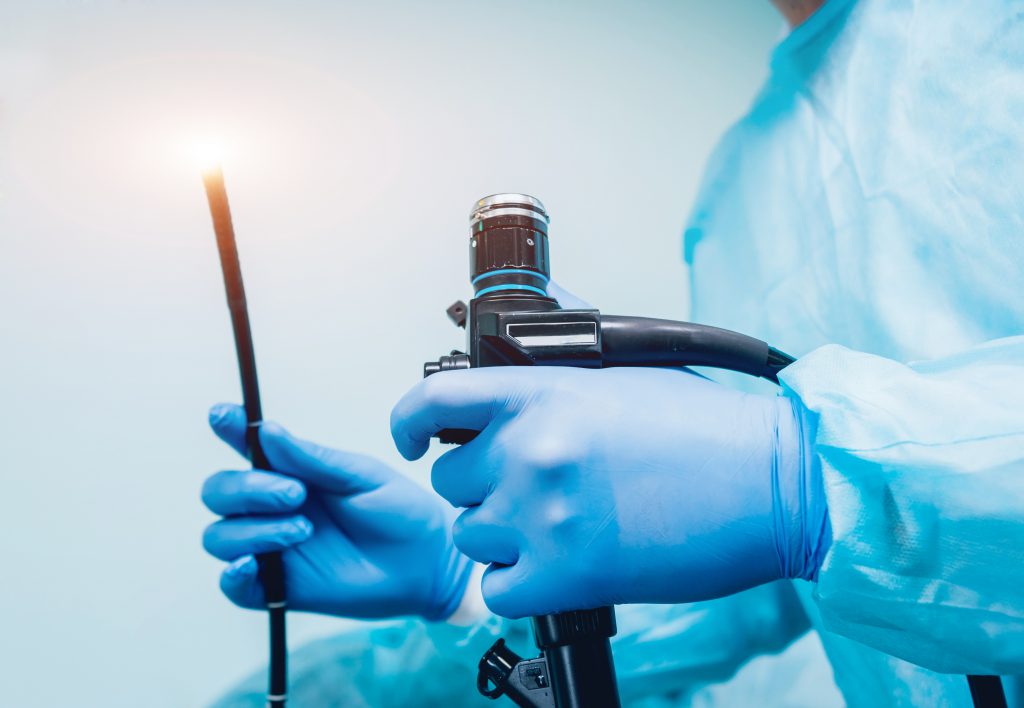
Medical
Infrared lenses
Durable substrate transmit in the UV through midwave infrared
Multispectral applications
Lightweight windows
Imaging in near to mid infrared
Durable
Lidar cameras
Environmentally Friendly
Durable
Surgical lasers window material
Dental imaging lenses
Surgical camera optical windows
Endoscopic lenses
Frequently Asked Questions
How is Penn providing sapphire coatings? What is the most common type of coating used?
Sapphire coatings are done using ion-assisted deposition and plasma deposition techniques. Because of sapphire optics’ multispectral properties, this opens up more design possibilities. The most common type of sapphire coating is our anti-reflection coatings.
What sapphire optics does Penn commonly work with?
Penn mostly coats windows, but also some lenses. Windows are typically between 5mm – 10in, however, we can coat windows up to a 32 inch diameter.
What’s important to know when a customer is looking for a sapphire coating?
Firstly, we need details about the application. This includes if the optic is multispectral or extends across multiple applications.